AGP Executive Report
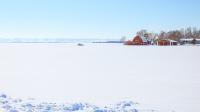
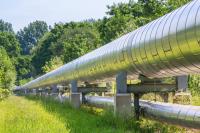
Last update: 8 hours agoRenewable Energy: A new solar-and-battery project at Standing Rock powers a buffalo-care barn, with raised panels and reinforced supports designed to accommodate the herd. Pollution: A produced-water spill in McKenzie County reached a creek tributary, while a separate pipeline spill contaminated a dry creek bed in northwest North Dakota. Carbon Pipeline Oversight: A North Dakota judge said local zoning authority is not automatically overridden by state decisions on Summit Carbon Solutions’ proposed CO₂ pipeline. The route permit remains in place while the state commission revisits key issues, including alternate routes and county setback rules. Winter Outlook: Forecasters expect a warmer, drier-than-normal winter in North Dakota, with less snowfall favored; drought could worsen in parts of the northern Rockies, and a strengthening El Niño may raise wildfire risk in parts of the northern U.S.
Note: AI summary from news headlines; neutral sources weighted more to help reduce bias in the result. Feedback is welcome. Please let us know if you have any comments or suggestions about the AGP Executive Report.

 Perspectify News





 Pseudo-journalism: Pink-slime